
Tips for Buying a Home on the Water
Who hasn't dreamed of owning a Florida home on the water? It has a beauty and peacefulness all its own. But waterfront views come with a price and several other considerations. First, work with an agent who knows waterfront property well. They will know which questions to ask, help you handle potential issues and make sure you see the properties that best fit your needs. There is a big difference between waterfront and water-view properties. Here are some of the most important things to keep in mind.
1. Choose the water that fits your needs
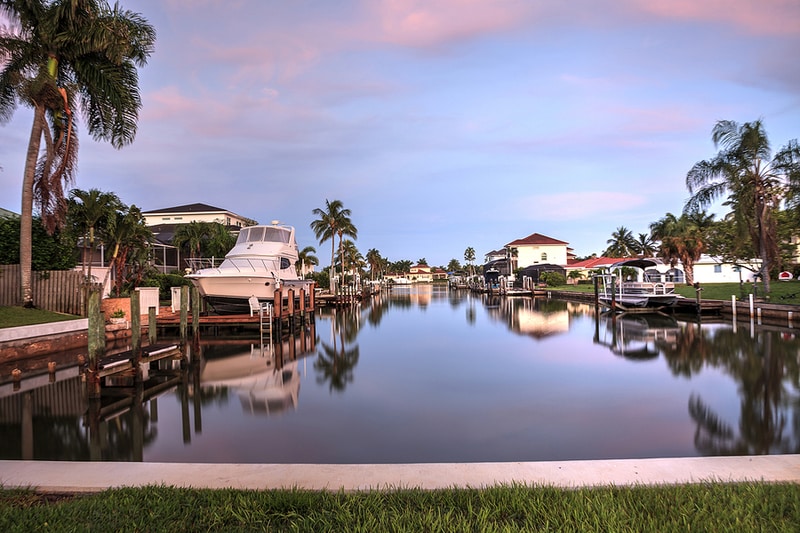
Lakes, rivers, the Intracoastal and the ocean each have their own perks. How do you plan to use the water? Do you need a place to dock a boat, or do you just want to take a kayak out now and then? If you have a boat, consider water depth, dock space and lift needs, and check for size or speed restrictions. Some HOAs have strict rules about how you can use the water behind your home. An experienced agent can help you navigate these factors.
2. Inspect carefully
Water affects a property in many ways. High moisture can cause mold and mildew, and near the ocean, salt air causes corrosion, so take a close look at the A/C unit, pool equipment and door hardware. Most importantly, check for signs of water intrusion or soil erosion, which can lead to structural issues.
3. Evaluate insurance requirements and costs
Not every company will insure waterfront homes, and your insurer may not offer every type of coverage you need. In Florida, you will typically need wind, flood and general hazard insurance. The increased risk of flooding and hurricanes can greatly affect your cost and coverage options.
4. Watch for additional costs
Beyond insurance, other items can cost more than expected. Some municipalities charge higher water and sewer rates than inland areas. If the home is on septic and well water, make sure both have been well maintained. Seawalls, docks and boat lifts can be expensive to repair and maintain. And depending on location, utilities may be harder to access and more costly to upgrade.
5. Think about the property, not just the house
You can always improve the house, but you can't necessarily improve the view or the location. On the Intracoastal, the other side of the water is often someone else's backyard, so if privacy matters to you, that may not be ideal. Boat traffic can affect privacy too. Is the water well maintained? Are you paying a premium for a poor or partial water view? Make sure the water and location fit the lifestyle you want.
6. Make sure the structure can handle severe weather
Whether the home is on pilings or a slab, it needs to be ready to weather a storm. Confirm the roof straps are up to code, install impact windows or hurricane shutters, use stainless steel door hardware that won't corrode, and keep trees trimmed and well maintained. Hopefully you will never need it, but it is always best to be prepared.
7. Decide how you will use the property
Will it be your primary residence or a second home? If you won't live there full time, arrange for someone to look after the property. You don't want to arrive for vacation and find water intrusion has filled your home with mold. Renting the property can offset some costs, but check for rental restrictions in the area first.
8. Talk to the neighbors
Ask whether they enjoy living there and how the water is affected by rain, storms and king tides. Find out if they have had water-related issues or wildlife concerns. Neighbors often have the best insight into whether a property will be a good investment.
There are additional considerations if you plan to build, rather than buy, on a waterfront lot. Feel free to reach out with questions, or to see how we can help you create your dream home on the water.